



HVAC Services in Seattle, WA
Most of Seattle was built for a climate nobody expected to need cooling for. That single fact drives more of the work we do inside the city than anything else — houses with plaster walls and no ductwork, systems sized for heating alone, and summers that stopped behaving the way the original design assumed.
The second thing worth knowing is that Seattle is not permitted like the rest of the region. The city issues its own electrical permits rather than sending them to the state, and it treats a furnace swap as permitted work. This page covers what that means in practice, what oil conversion actually involves here, and how the neighbourhoods differ. To talk a project through, call (206) 900-9231.
What we do most in Seattle
Each service has its own page with the detail on equipment, sizing and what the work involves.
Ductless and mini split systems
The default answer for a large part of Seattle, because so much of the housing has no ductwork to work with. Heating and cooling room by room without opening up a 1926 ceiling.
Also: Mini split repair
Heat pump installation
Where ducts already exist, converting to a heat pump usually makes more sense than replacing a furnace like for like, because it adds cooling on the same equipment rather than as a second system.
Also: Air to water heat pumps
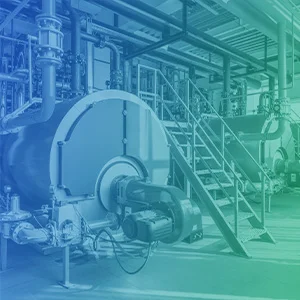
Boilers, hydronic and radiant
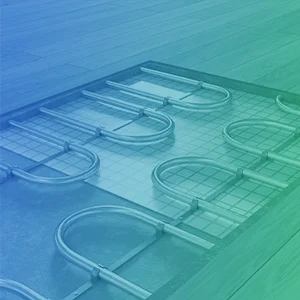
Still common in prewar Seattle houses and generally worth keeping rather than tearing out. A sound hydronic system can stay in service for heat while cooling is added separately.
Also: Radiant heat
Indoor air quality and filtration
Wildfire smoke is a recurring feature of Seattle summers — some years mild, some severe. Filtration here is a practical measure rather than an upsell, particularly in households with asthma or young children.
Also: Air filtration · Ventilation
Furnace repair and replacement
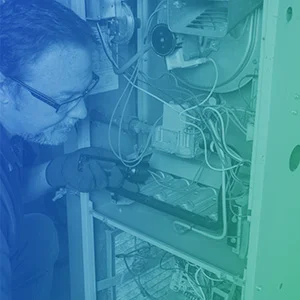
Repair, replacement and annual service. Seattle requires a permit for any furnace replacement or alteration, so this is not work to have done informally.
Also: All heating
Ductwork and distribution
Where ducts exist but underperform. In the 1940s tract housing across north Seattle the returns are commonly the limiting factor, especially once a house has been extended onto the original system.
Also: Indoor air quality
Air conditioning
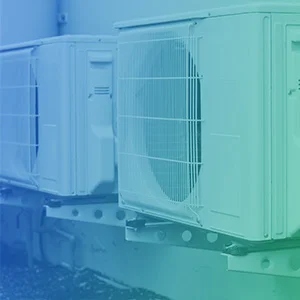
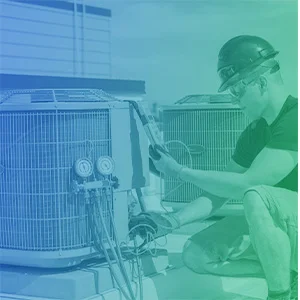
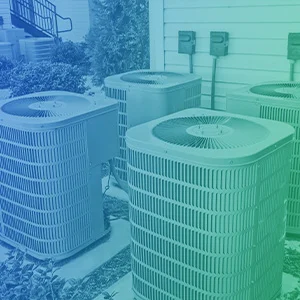
Repair, replacement and first time installation in houses that never had it. Any split system air conditioner, or any job involving refrigeration piping, is permitted work in Seattle.
Also: AC replacement · Emergency AC repair
Water heating
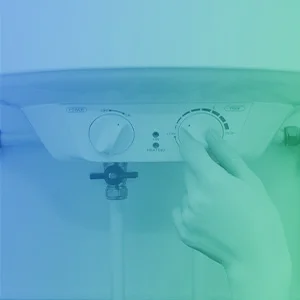
Tank, tankless and heat pump water heaters. Space and venting are usually the constraint in an older Seattle basement rather than the equipment itself.
Also: Tankless repair
Seattle was built in waves, and each one left a different problem
“Seattle” is not one housing market. The neighbourhoods went up in distinct bursts, decades apart, and what your house needs has more to do with which burst it belongs to than with the city boundary.
The streetcar-era neighbourhoods. Laurelhurst was named and platted by developers in 1906 and annexed to Seattle in 1910, with most of its building following the 1909 Alaska–Yukon–Pacific Exposition. Housing of that generation tends to mean plaster, limited or non-existent ducts, and heating designed around radiators or a gravity system. It is the stock where ductless retrofits and hydronic retention come up most often — and where oil heat still turns up.
The wartime tracts. Wedgwood is essentially a 1941 development: Albert Balch and Maury Seitzer proposed 500 homes across 40 acres at $5,000 each, built at speed for defence workers. Balch had already started View Ridge in 1935. These are small, uniform, quickly built houses, and the pattern we find is undersized returns and duct runs that were adequate for the original footprint but not for the additions that came later.
Magnolia and the bridge-era growth. Magnolia was hard to reach until the Garfield Street Bridge — now the Magnolia Bridge — opened in 1930 and the Dravus Street Bridge in 1931. Real growth started in the 1930s, accelerated after the war on GI Bill demand, and turned upscale on the bluff through the 1960s. The result is a neighbourhood of developer-built runs of similar houses from several different decades, plus exposed bluff properties where wind and weather matter to siting.
When we quote, the age of the block tells us more than the square footage does.
Permits for HVAC work in Seattle
| Permit authority | Seattle Department of Construction & Inspections, through the Seattle Services Portal. |
|---|---|
| What needs a permit | SDCI requires a permit for any furnace replacement or alteration, and for a split system heat pump, an air conditioner, or any job that requires refrigeration piping. |
| Electrical permits | Unusually for Washington, Seattle issues its own electrical permits through SDCI rather than routing them to Labor & Industries the way most cities do. SDCI requires the contractor to hold both a Washington electrical contractor license and a Seattle business license. We hold both, so the mechanical and electrical permits come from us rather than a second trade. |
| Who can pull it | Homeowners can obtain a mechanical permit for some work, but only a licensed refrigeration contractor can pull the refrigeration permit. Anything involving refrigerant is not a do-it-yourself job in Seattle. |
| Inspections | Two are normally required: a cover inspection once the work is roughed in and before anything is covered, and a final inspection on completion. SDCI inspection services is (206) 684-8950. |
| Utilities | Seattle City Light supplies electricity, and Puget Sound Energy supplies the gas. City Light also serves Shoreline, Lake Forest Park, Burien, Tukwila, SeaTac, Normandy Park, Renton and parts of unincorporated King County — about 525,000 customers in total. |
We pull the permits on our own work and schedule the inspections. If one quote is noticeably cheaper than the others, ask whether permitting is included, because unpermitted mechanical work has a habit of surfacing later during a sale.
Oil heat: what converting actually involves
Oil heat persists in pockets of Seattle, particularly in the older north end, and converting is a significant part of what we do here. The heating side is straightforward enough. The tank is the part people underestimate, so it is worth setting out plainly.
Decommissioning a residential heating oil tank in Seattle needs its own permit from the Seattle Fire Department — permit code 6103, under section 105.5.20 of the 2021 Seattle Fire Code. Work cannot start until the application comes back stamped Approved to Proceed.
It is also a separately certified trade. The work has to be performed or directly supervised by someone certified by the International Code Council as an underground storage tank decommissioner, and that person has to be present throughout. There are two accepted methods under section 5704.2.13: removing the tank, or abandoning it in place by triple-rinsing the interior and filling it with an inert material. A tank suspected of leaking should be removed rather than abandoned. A decommissioning report form is due back within 30 days, and it is worth keeping with the house papers alongside the permit and receipts — it is the document a buyer’s inspector will ask for.
In short: the heat pump is one job and the tank is another, with its own permit and its own certification. We plan the two together so the house is not left without heat in between.
Rebates and incentives
Seattle City Light runs heat pump incentives for its residential customers. The mechanic is worth understanding, because it is not a form you post off afterwards: the discount is passed through participating equipment distributors to the contractor, who applies it to the job. That means the question to ask on any quote is how the incentive has been handled, not whether you will be claiming it later.
The City also runs a separate program for households converting away from oil heat, with larger amounts available to moderate income households, and a route to a no-cost conversion for qualifying lower income households through the Office of Housing. Eligibility and the contractor requirements differ from the standard rebate, so it is worth checking the City’s current terms directly before committing to a system.
Our heat pump rebates page sets out the regional programs side by side, including the conditions that disqualify people most often.
Where we work in Seattle
We cover the city. These are the areas we are in most often, grouped by the kind of housing rather than by map quadrant.
Laurelhurst, Montlake and Madison Park
Early twentieth century stock on established streets, much of it predating ducted heating entirely. Ductless retrofits, hydronic systems worth keeping, and the occasional oil tank still in the ground.
Wedgwood, View Ridge and Ravenna
Balch-era tract housing from the mid 1930s through the 1940s. Compact original footprints, frequently extended, and returns that were never resized when the house grew.
Maple Leaf, Northgate and Sand Point
Postwar north end housing with existing ductwork more often than not, which usually makes a heat pump conversion the straightforward option rather than a like for like furnace swap.
Magnolia and West Seattle
Bridge-era and postwar growth with a lot of variation street to street, plus genuinely exposed bluff and waterfront properties where siting and weather exposure affect how long outdoor equipment lasts.
Beacon Hill, Columbia City and Mount Baker
A wide mix of ages on the same block, from prewar houses to infill. Worth assessing individually rather than assuming the neighbourhood pattern applies to your address.
We also cover the Eastside. See Bellevue, Kirkland, Woodinville, Bothell, Mercer Island and all service areas.
Common questions
My house has no ductwork. What are my options?
Ductless, in almost every case. It delivers heating and cooling room by room without running duct through finished plaster, and it avoids the demolition that retrofitting ducts into an older Seattle house would otherwise involve. Where ducts do exist, converting to a ducted heat pump is usually the better route.
Do I need a permit to replace my furnace in Seattle?
Yes. SDCI requires a permit for any furnace replacement or alteration, and separately for a split system heat pump, an air conditioner, or any job involving refrigeration piping. Two inspections normally follow, one at rough-in and one at completion. We handle all of it as part of the job.
Who issues the electrical permit in Seattle?
The city does, through SDCI, which is unusual in Washington — most cities send electrical permits to Labor & Industries. SDCI requires the contractor to hold both a Washington electrical contractor license and a Seattle business license. We hold both, so you are not coordinating a second trade.
I still have oil heat. What does switching involve?
Two separate pieces of work. The heat pump installation is ours. Decommissioning the tank needs its own Seattle Fire Department permit and has to be done or directly supervised by an ICC certified decommissioner, either by removing the tank or by triple-rinsing and filling it in place. We sequence the two so you are not left without heat, and you should end up holding the permit, the decommissioning report and the receipts.
Will a heat pump actually keep up here?
Yes, in both directions. Current cold climate heat pumps hold useful capacity well below anything Seattle sees in winter, and the same equipment handles the summer heat events the original heating-only systems were never designed for. Sizing and distribution matter far more than the outdoor temperature does.
Is filtration worth it for smoke season?
It depends on what you have now. A fibreglass panel filter does very little against fine particulate; MERV 13 is the threshold that matters for smoke. Filter area and depth matter more than the MERV number alone, and a four inch media cabinet can deliver MERV 13 with less airflow resistance than a one inch filter at a lower rating. A portable unit in one room is a sensible complement rather than a substitute.
Talk to us about your Seattle home. Tell us roughly when the house was built and what the system is doing now, and we will tell you straight whether you are looking at a repair, a conversion or a distribution problem wearing an equipment problem’s clothes.
Call (206) 900-9231 or request an estimate.
Permit scope, electrical permitting, licensing requirements and inspection stages from the Seattle Department of Construction & Inspections and its furnace and refrigeration permit guidance. Oil tank decommissioning permit code, certification and methods from Seattle Fire Department Client Assistance Memo 5962, citing the 2021 Seattle Fire Code sections 105.5.20 and 5704.2.13. Service territory and customer numbers from Seattle City Light. Neighbourhood development dates from HistoryLink thumbnail histories of Laurelhurst, Wedgwood and Magnolia. Permit rules, rebate amounts and program terms change, so confirm current requirements with the City and your utility before relying on them. Last reviewed September 2026.
Licensed, Bonded and Insured in Seattle
Each license can be looked up individually on the Washington State L&I contractor register.
Mechanical permits here are issued by the Seattle Department of Construction & Inspections, and we pull them for the work we do. Natural gas is supplied by Puget Sound Energy, and electricity by Seattle City Light.
If you ever smell gas, leave the building first and call Puget Sound Energy on 1-888-225-5773 before you call us.


